How to Trade Raw Materials with Iran: A Practical Guide for Global Suppliers
How to Trade Raw Materials with Iran
Last Modified Time : 12/28/2025
Table of contents [ Show ]
FOBino is Iran’s international trade hub, allowing you to easily connect with Iranian manufacturers and buyers. Through the FOBino platform, you can trade with confidence by accessing Iranian demand directly and working with verified buyers. One of FOBino’s key advantages is that goods traded through the platform can be inspected and quality-controlled by FOBino experts, and shipment instructions can also be arranged via FOBino—so you can trade with peace of mind.
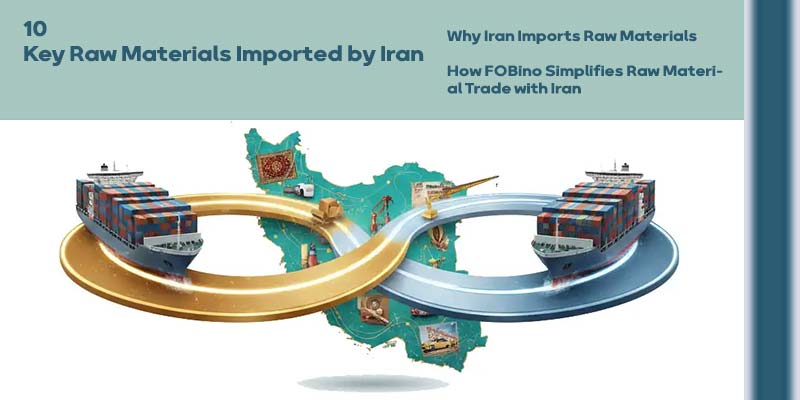
Why Iran Is a Major Market for Raw Materials
Iran is one of the largest industrial economies in the Middle East, with strong activity in manufacturing, agriculture, pharmaceuticals, construction, and consumer goods. While the country has rich natural resources, many industries still rely heavily on imported raw materials and intermediate inputs to keep production running.
For global exporters, Iran represents a large, price-sensitive, and long-term demand market. Companies that understand how to trade with Iran correctly can benefit from consistent orders, repeat buyers, and attractive margins.
What Counts as “Raw Materials” in Trade with Iran?
When trading with Iran, the term “raw materials” covers a broad range of products, including:
- Agricultural commodities (corn, soybeans, barley)
- Food industry inputs (vegetable oils, additives)
- Pharmaceutical raw materials (APIs)
- Chemical inputs
- Textile fibers (cotton, yarn)
- Industrial rubber and plastics
- Machinery parts and components
These materials are essential for Iran’s domestic production and are imported regularly.
Step 1: Understand Iranian Market Demand
Before entering the Iranian market, exporters should identify which industries are driving demand.
High-Demand Sectors in Iran:
- Livestock and poultry feed
- Food processing
- Pharmaceuticals
- Plastics and packaging
- Automotive and tire manufacturing
- Textiles and apparel
Successful exporters focus on problem-solving, not just selling—offering stable supply, competitive pricing, and consistent quality.
Step 2: Find Reliable Iranian Buyers
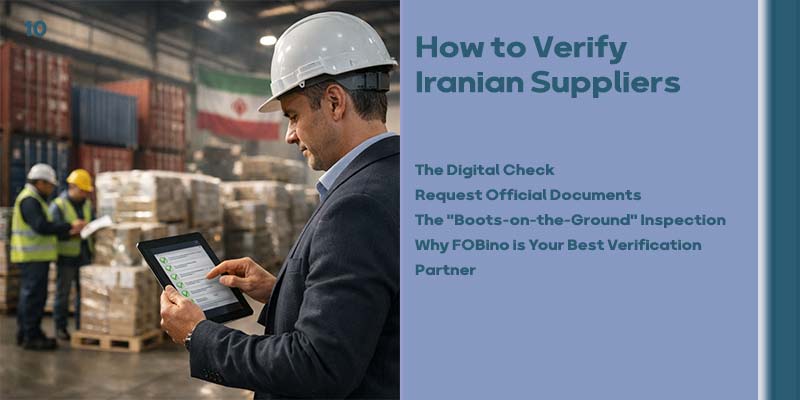
One of the biggest challenges in trading raw materials with Iran is finding trustworthy buyers.
Traditional methods include:
- Local agents
- Trade fairs
- Referrals
However, these methods can be slow and risky. This is where FOBino becomes a strategic advantage.
Through FOBino, you can:
- Connect with verified Iranian manufacturers and importers
- Compare real demand across industries
- Communicate clearly and efficiently
- Reduce the risk of fraud or non-serious buyers.
Step 3: Pricing Strategy for the Iranian Market
Iranian buyers are extremely price-conscious, but price is not the only factor.
What Iranian Buyers Care About:
- Competitive base price
- Consistent quality
- Reliable delivery
- Flexible shipment sizes
- Long-term cooperation
Because of Iran’s low production and labor costs, many manufacturers operate on tight margins—so exporters who offer fair pricing often gain loyal, repeat customers.
Step 4: Quality Control and Inspection
Quality disputes are one of the most common issues in raw material trade.
Why Quality Control Matters:
- Raw materials affect final product quality
- Poor inputs can stop production lines
- Rejections cause delays and losses
Common Quality Checks:
- Visual inspection
- Laboratory analysis (for chemicals, APIs, food inputs)
- Moisture and purity testing
- Packaging inspection
With FOBino, raw materials can be inspected and quality-controlled before shipment by FOBino experts, reducing disputes and protecting both sides of the trade.
Step 5: Contracts and Trade Terms
Clear contracts are essential when trading with Iran.
Key Contract Elements:
- Product specifications
- Quality standards
- Quantity tolerance
- Delivery terms (Incoterms)
- Payment terms
- Dispute resolution method
Most raw material trades with Iran use FOB, CFR, or CIF Incoterms, depending on logistics preferences.
Step 6: Payment Methods and Financial Considerations
Payment is often the most sensitive part of trading with Iran.
Common Solutions Include:
- Advance payments
- Third-country payment channels
- Structured trade settlements
- Trusted intermediaries
Working with verified partners through platforms like FOBino helps reduce payment risk by improving transparency and trust between parties.
Step 7: Shipping and Logistics to Iran
Iran has multiple major ports and land routes that support raw material imports.
Common Entry Points:
- Bandar Abbas (main seaport)
- Imam Khomeini Port
- Land borders with Turkey and Central Asia
Shipping Options:
- Sea freight (most common for bulk raw materials)
- Road transport (regional suppliers)
- Rail (for large volumes from neighboring countries)
FOBino allows exporters and buyers to coordinate shipment instructions smoothly, minimizing delays and misunderstandings.
Step 8: Customs Clearance and Documentation
Raw materials entering Iran require accurate documentation.
Common Documents:
- Commercial invoice
- Packing list
- Certificate of origin
- Health or safety certificates (if applicable)
- Bill of lading
Mistakes in documentation can cause costly delays, so preparation is key.
Step 9: Risk Management When Trading with Iran
Every international trade involves risk—but risks can be managed.
Main Risks:
- Payment delays
- Quality disputes
- Logistics disruptions
- Regulatory changes
Risk-Reduction Strategies:
- Start with small trial shipments
- Use inspection services
- Work with verified partners
Maintain clear communication
Comparison: Trading Raw Materials with Iran vs Other Regional Markets
|
Factor |
Iran |
Other Regional Markets |
|
Market Size |
Very Large |
Medium |
|
Price Sensitivity |
High |
Medium |
|
Demand Stability |
High |
Medium |
|
Competition |
Moderate |
High |
|
Long-Term Potential |
Very High |
Medium |
Conclusion: Iran offers strong long-term demand for suppliers willing to understand the market.
Why FOBino Is a Smart Choice for Raw Material Trade
FOBino simplifies raw material trading with Iran by offering:
- Verified Iranian buyers and suppliers
- On-ground quality inspection
- Logistics coordination support
- Transparent communication
- Reduced trade risk
For first-time exporters and experienced suppliers alike, FOBino acts as a trusted bridge into the Iranian market.
Final Thoughts
For access to buyers and sellers of raw materials, go to FOBino and trade with ease. Keep in mind that the Iranian market is like an ocean of opportunity where raw materials can be supplied at competitive prices with consistent, long-term demand. Due to the low value of the Iranian rial at the time of writing and affordable labor costs, Iranian manufacturers remain highly cost-competitive—creating reliable demand and attractive business opportunities for global suppliers.
🔗 Visit www.fobino.com to start trading simply and confidently.